Updated August 2026: the sovereign-cloud market in Germany has moved. The AWS European Sovereign Cloud has been live since January 2026 (Brandenburg region, EU-only operating entity), Delos Cloud brings the Microsoft stack under German operator control for the public sector, STACKIT and IONOS offer European-controlled platforms, the Deutsche Verwaltungscloud (DVC) has become a product of the IT-Planungsrat, and the BSI published C5:2026 in April. The three pillars below are unchanged — the options for implementing them are much broader.
What Does Digital Sovereignty Mean?
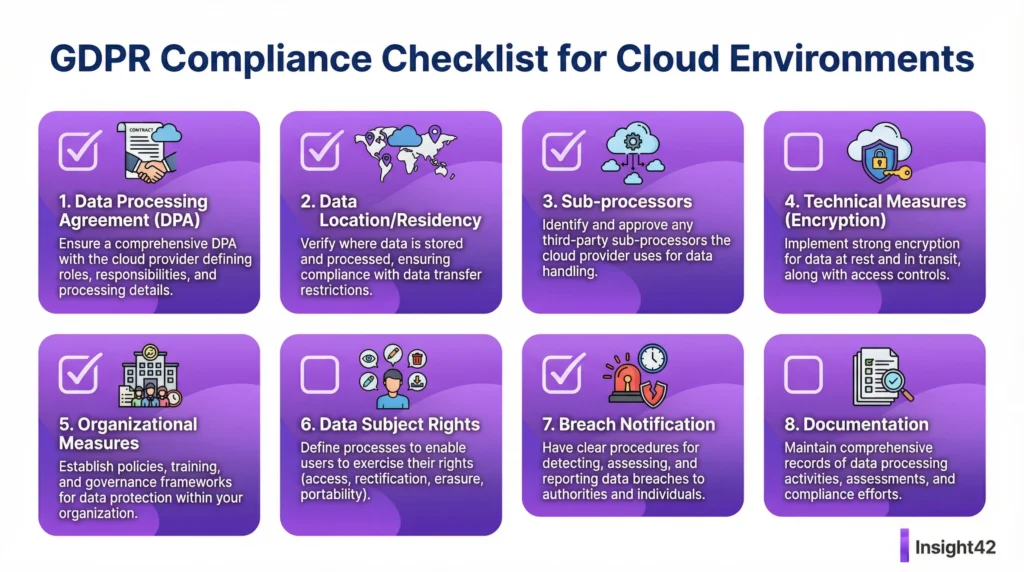
Digital sovereignty is the ability to control one’s own IT infrastructure and data with self-determination. For the public sector, this is not a luxury but a necessity. It is about controlling citizen data, independence from individual providers, and compliance with German and European legal norms (GDPR, Schrems II).
A sovereign cloud in Germany provides the technical and organisational framework to ensure this control. It combines the innovative power of global hyperscalers (like Azure, AWS and GCP) or European platforms with the strict requirements of German and European law.
The Three Pillars of Digital Sovereignty
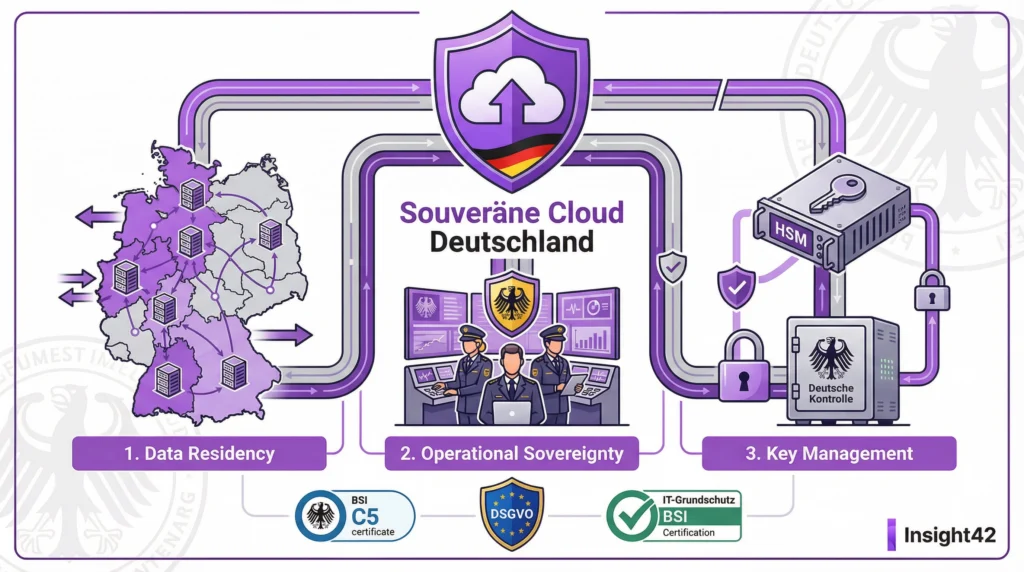
1. Data Residency
- What it is: The guarantee that data and metadata are stored and processed exclusively within a defined geographical area (e.g., Germany or the EU).
- Why it matters: Prevents access by foreign authorities based on laws like the US CLOUD Act. Ensures compliance with GDPR.
- Implementation: Use of cloud regions in Germany (e.g., Frankfurt, Berlin, Brandenburg). Contractual assurances from the provider. Note that residency alone does not prevent access by the operator or by third-country law — see pillars 2 and 3.
2. Control & Transparency
- What it is: The ability to seamlessly control and log access to data and systems, including access by the cloud provider itself.
- Why it matters: Creates trust. Enables proof of compliance (BSI C5, GDPR, NIS2).
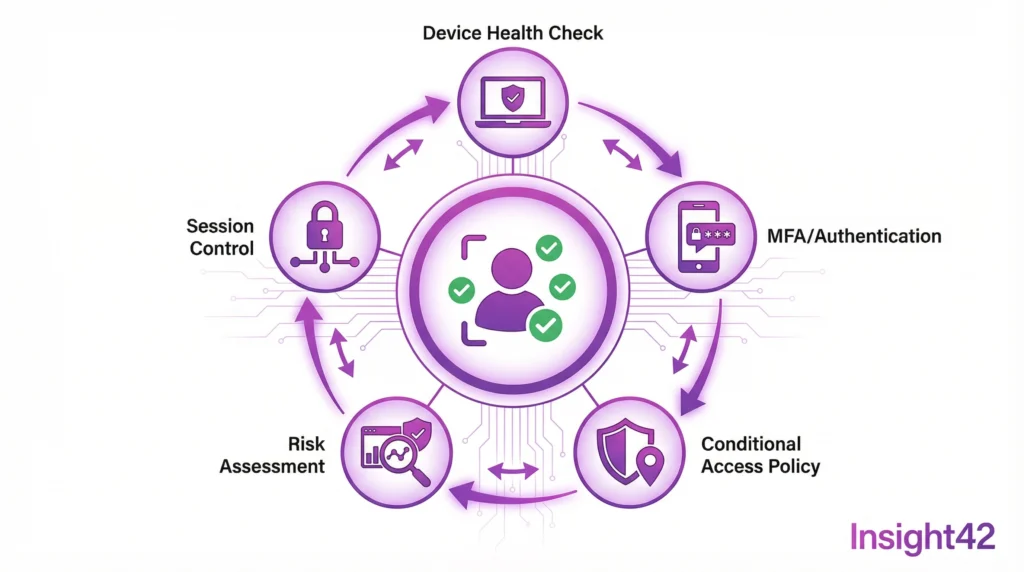
- Implementation: Strict access controls (Zero Trust, MFA), comprehensive logging, EU-only operating staff, use of external control bodies (e.g., data trustees).
3. Key Management
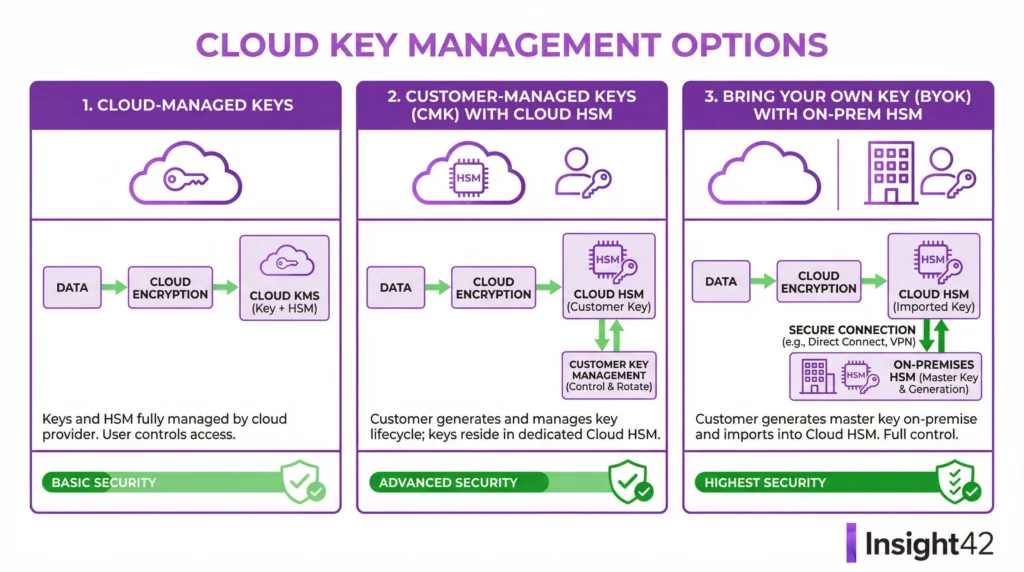
- What it is: Control over the cryptographic keys used to encrypt data. Whoever holds the key, controls the data.
- Why it matters: It is the ultimate lever for data sovereignty. Even if a provider could access the encrypted data, they cannot read it without the key.
- Implementation: Bring Your Own Key (BYOK) or Hold Your Own Key (HYOK), where the keys remain within your own infrastructure. We compare both models in Cloud Key Management: BYOK vs. HYOK in Azure and GCP.
Quick Checklist: Digital Sovereignty
| Pillar | Key Question | Implemented? |
| Data Residency | Is all data guaranteed to be in Germany/EU? | ☐ |
| Control | Do we have full control over all access? | ☐ |
| Transparency | Is all access logged completely? | ☐ |
| Key Management | Do we control the cryptographic keys? | ☐ |
| Exit | Could we move to another provider, and have we tested it? | ☐ |
| Compliance | Are the requirements of GDPR, BSI C5, NIS2 etc. met? | ☐ |
To-Do List for a Sovereign Cloud Strategy
- Immediately: Classify the protection needs of the data.
- Week 1: Define the requirements for digital sovereignty per workload (residency, operational control, legal immunity).
- Week 2: Evaluate the market for sovereign cloud offerings (AWS European Sovereign Cloud, Delos Cloud, STACKIT, IONOS, T-Systems, Azure and GCP sovereign controls).
- Month 1: Establish a strategy for data residency and key management.
- Month 2: Adapt the BSI-compliant cloud security concept accordingly.
- Month 3: Start a pilot project in a sovereign cloud environment.
Sovereign Offerings: Hyperscalers and European Platforms
The major providers have recognised the need and offer dedicated solutions — and European platforms have matured:
- AWS European Sovereign Cloud: A physically and logically separate AWS cloud in the EU, operated by an EU entity with EU-resident staff, live since January 2026.
- Microsoft Cloud for Sovereignty / Delos Cloud: Data residency and enhanced controls on Azure; Delos Cloud delivers the Microsoft stack under German operator control for the public administration.
- Google Cloud Sovereign Solutions: Similar guarantees for data location and control, often in partnership with local providers (e.g., T-Systems).
- STACKIT, IONOS, Open Telekom Cloud: European-owned and -operated platforms, increasingly used for public-sector and KRITIS workloads.
These offerings are an important step but require careful examination of operator model, service parity, key model, exit capability and cost. Cloud consulting for public authorities helps to validate the providers’ promises and find the right solution for your needs.
The Role of BSI C5 and IT Baseline Protection
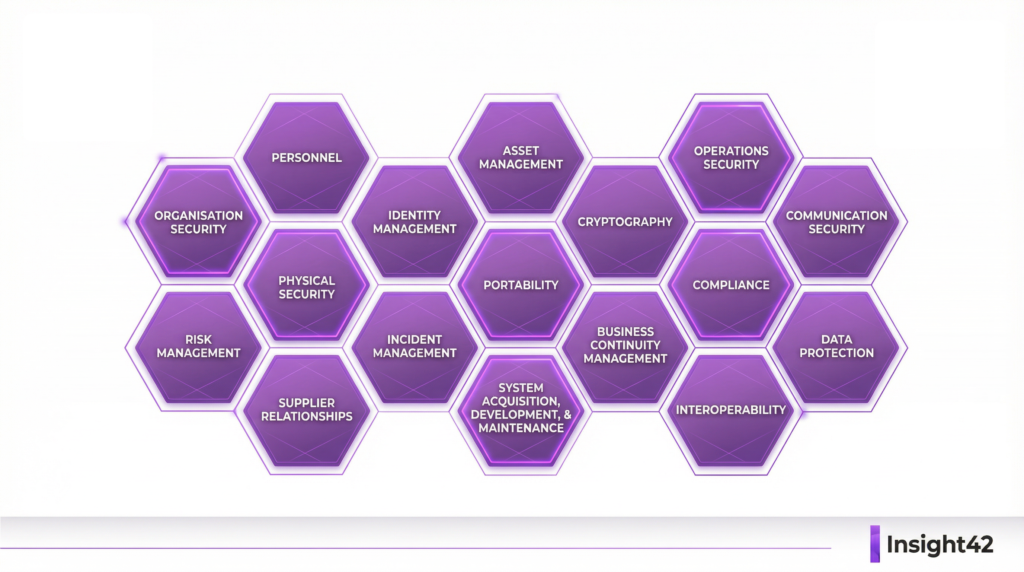
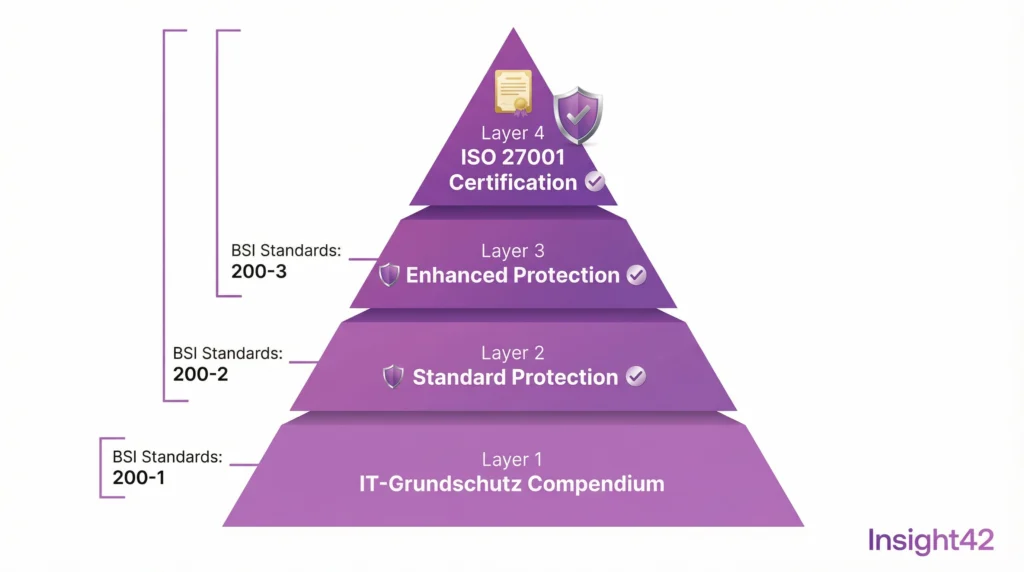
Digital sovereignty and compliance go hand in hand. Being BSI C5 compliant is a basic requirement for a sovereign cloud. The controls in the C5 catalogue cover many aspects of sovereignty, especially in the areas of transparency and operational security — and C5:2026 adds tenant isolation, confidential computing and supply-chain criteria.
IT Baseline Protection consulting helps to integrate the BSI’s requirements into the cloud architecture. An ISO 27001 certification based on IT Baseline Protection demonstrates the effectiveness of the implemented measures.
Insight42: Your Guide to Digital Sovereignty
The path to a sovereign cloud is complex. We navigate you safely through the technological, legal, and organisational challenges. We know the offerings, the pitfalls, and the success factors.
We help you develop a strategy tailored to your specific protection needs — from data residency to external key management. Secure, BSI C5 compliant, and future-proof.
Take control. See our Souveräne Cloud Beratung (German) or contact us to request a Sovereign Cloud Assessment.