
Oil gets burned once. Data compounds—or rots. “Data is the new oil” is a metaphor that businesses and policy makers cannot afford to keep believing. The difference between compounding and rotting is your strategy for data analytics, BI and AI — built on a sovereign cloud architecture.
Stop Worshipping Volume; Start Pricing Usefulness
The metaphor “data is the new oil” has led to a misguided obsession with hoarding information. The truth is, its worth is determined by the quality of its curation and the incentives that govern its lifecycle. Turning raw data into profit requires a partner capable of building BI, data warehouse automation, data analytics and AI systems that create value from information assets.

12. More data is not better data.
We are drowning in information but starved for wisdom. Junk data is an inflation tax on your analytics, corrupting models and leading to flawed decisions. Quality, not quantity, is the true multiplier of productivity. Our BI and data warehouse automation work starts with a solid foundation of clean, reliable data, so that your AI and analytics initiatives are built for success.
13. Data value is contextual, not inherent.
The value of data is determined by the problem it solves. This is why centralised data strategies often fail. A more effective approach is empowering users with the right tools. Insight42 helps you build the data analytics platforms that connect the right data to the right users at the right time.
14. Most “data strategies” fail because nobody can answer: “Who profits if this works?”
If the people creating and maintaining data don’t have a clear reason to do so, the data will be poor quality. A successful data strategy aligns the incentives of data producers with data consumers. When we build a BI, data warehouse or AI solution, we start by defining the business value and aligning incentives to ensure project success.
15. If data isn’t productised, it’s just digital clutter.
To unlock the true value of data, it must be treated as a product. This means clear ownership, SLAs, and version control. Without this product-oriented mindset, your data lake becomes a swamp. Insight42’s approach to building data platforms is to treat every dataset as a product, with a clear lifecycle and purpose.
Property Rights for the Digital Age
The concept of property rights is the foundation of a free society. In the digital age, we must extend this to personal data, which requires robust security and a rights-first approach to technology, from your core infrastructure to your customer-facing applications.

16. Personal data is not a corporate resource; it’s a delegated privilege.
Personal data is a reflection of an individual’s identity. A rights-first approach to data governance is not only ethical; it’s good for business. Our security services ensure that your data handling practices build the trust essential for long-term customer relationships.
17. Consent without usability is theatre.
Endless pages of legal jargon are not meaningful consent. This is a design problem. When building customer-facing portals and applications, we focus on creating intuitive interfaces that empower users to make informed decisions about their data.
18. Data minimisation is security and cost control.
The best way to protect data is to not have it. Collecting data “just in case” increases breach risk and cloud storage costs. Our cloud migration and data strategy services emphasise data minimisation as a core principle for security and cost control.
19. Auditability is the new credibility.
In a world of deepfakes, proving the provenance and lineage of data is the new standard of credibility. A verifiable audit trail — data lineage, signed artefacts, immutable logs — is essential for trust and for regulators alike.
Data Spaces That Create Growth, Not Committees
Europe’s ambition for a single market for data is worthy, but it must be decentralised and business-friendly. This requires a modern approach to cloud and data architecture.
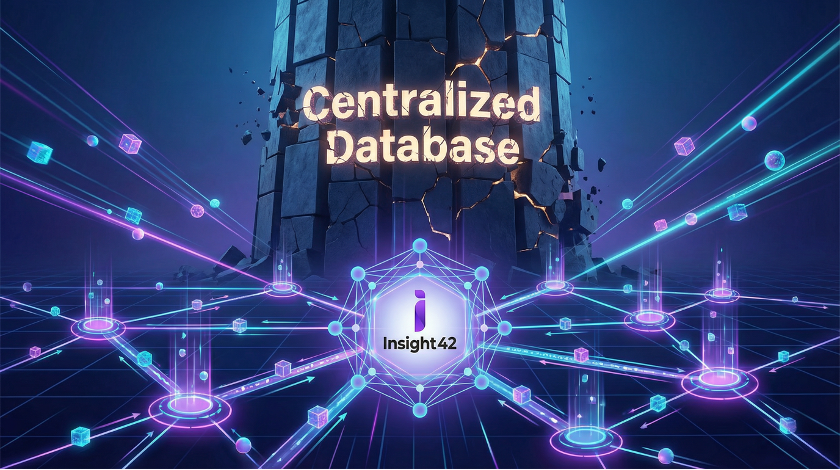
20. Federation beats centralisation for Europe.
A centralised approach to data sharing is a non-starter. A federated model, where data remains under the owner’s control, is the only viable path. Our expertise in sovereign cloud architectures can help you design a federated data strategy that respects sovereignty and minimises risk.
21. Standards are economic infrastructure.
The digital economy must be built on a common standard of data exchange. When we undertake a cloud migration or build a new data analytics platform, we use open standards and APIs to ensure your systems are interoperable and future-proof.
22. Trust frameworks must be lighter than the value they unlock.
If compliance costs exceed the benefits, markets fail. The frameworks governing data spaces must be business-friendly. Insight42 helps you navigate these regulations, ensuring your AI and data analytics projects remain innovative and profitable.
Turn Your Data from a Liability into a Competitive Asset
Is your data strategy built on a foundation of sand? Insight42 helps you unlock the true value of your data:
- Data platforms, BI, data warehouses and analytics — raw data into actionable intelligence and automated decisions.
- Cloud migration to a secure, sovereign, and cost-effective environment.
- Sovereign cloud architecture that gives you control and flexibility.
- Security, backup, DR and resilience for the data assets that fuel your business.
Contact us for a consultation and let Insight42 help you build a data-driven future that is both compliant and competitive.
Related reading
- Microsoft Fabric: The Definitive Guide for 2026
- Microsoft Fabric Deep-Dive Series (5 parts)
- AI Won’t Replace People. Bad Incentives Will.
More insights like this in our Growth, Innovation & Digital Strategy hub.