Cloud Adoption Framework in Practice WAVE 5

Azure CAF & Cloud Migration 15th Jan 2026 Martin-Peter Lambert
Cloud Adoption Framework in Practice WAVE 5

Wave 5: Optimize & Scale – The Journey to Continuous Value

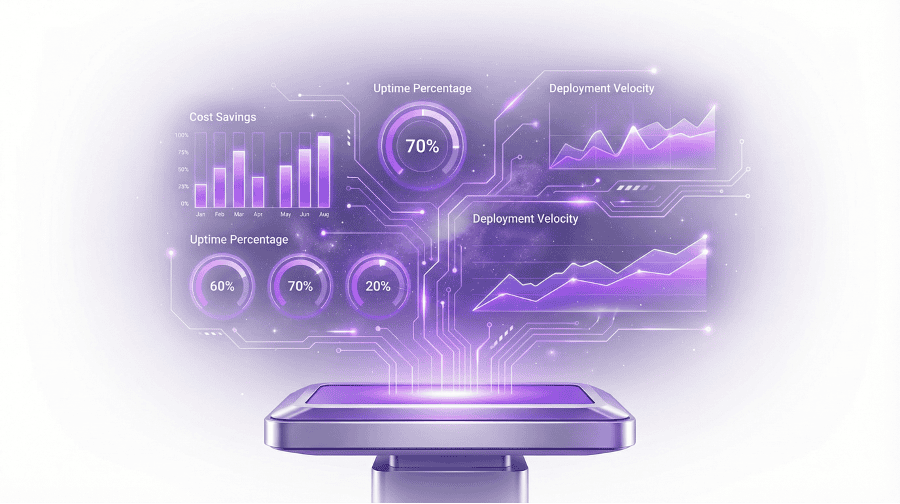
Cloud migration is not a one-time project with a finish line. It is the beginning of a new operating model—one that thrives on continuous improvement. In fact, you could say it’s a journey to continuous value, which is epitomized in Wave 5: Optimize & Scale. This is the final, ongoing wave where you transition from a migration-focused mindset to a value-focused one. This is where you realize the full promise of the cloud: an agile, efficient, and innovative engine for business growth.

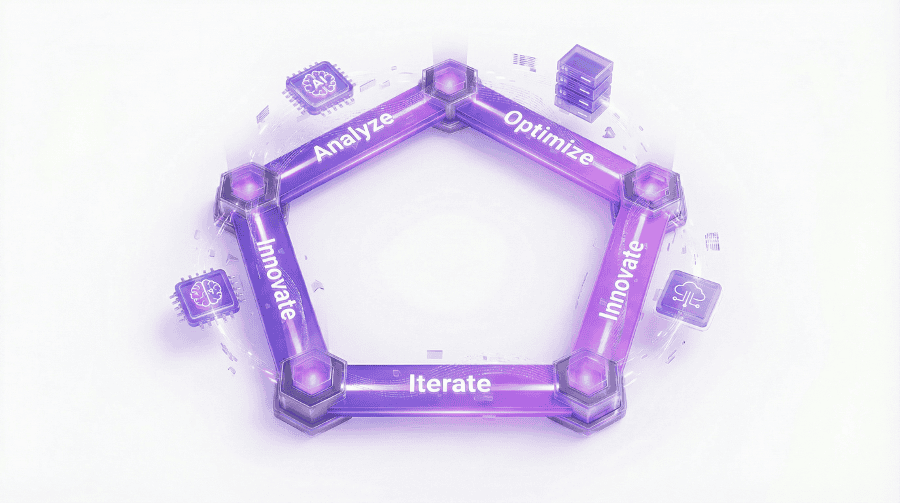
This wave is a continuous cycle of analyzing, optimizing, and innovating. It ensures that your cloud environment doesn’t just run; it evolves. It gets smarter, faster, and more cost-effective over time, creating a powerful feedback loop that feeds directly back into your business strategy.

Step 1: Analyze Performance and Usage

You cannot optimize what you cannot measure. This step involves leveraging the rich monitoring and observability tools available in the cloud to gain deep insights into your environment. It’s about moving beyond simple uptime metrics to analyze:

  • Application Performance: Are your applications meeting their performance targets? Where are the bottlenecks?
  • Resource Utilization: Are your instances right-sized? Are you paying for idle resources?
  • Usage Patterns: How are users interacting with your applications? When are your peak and off-peak hours?

Through this analysis within the journey to optimize and scale, captured in Optimization Reports, provides the data-driven foundation for all subsequent optimization efforts.

Step 2: Implement Cost and Performance Optimization

Armed with data, you can now begin the work of optimization. This is a continuous process, not a one-off task. It involves a combination of technical and financial levers:

  • Right-Sizing: Adjusting instance sizes to match the actual performance needs of the application.
  • Autoscaling: Automatically scaling resources up or down to meet demand, ensuring you only pay for what you need.
  • Reserved Instances/Savings Plans: Committing to long-term usage in exchange for significant discounts.
  • Storage Tiering: Moving infrequently accessed data to lower-cost storage tiers.

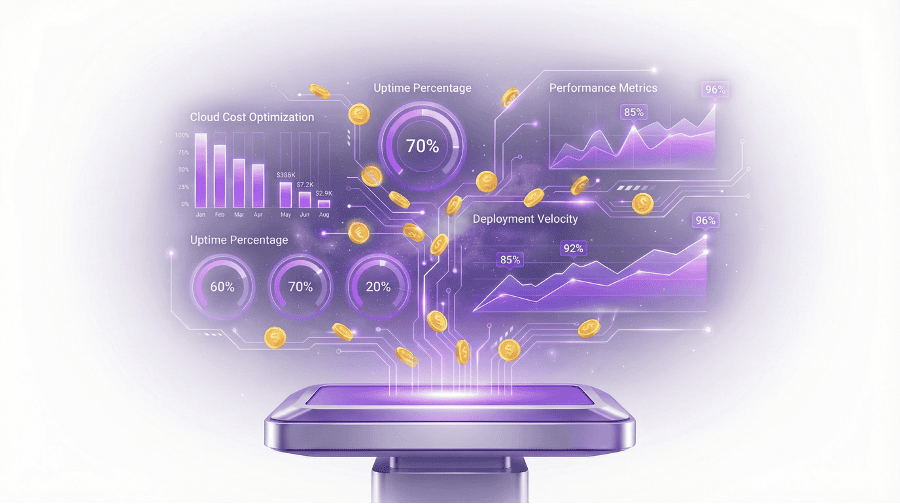
These efforts along your journey to scale and optimize value, driven by your FinOps team, lead to Realized Savings and improved performance.
Step 3: Foster a Culture of Collaboration

Optimization is a team sport. This step is about breaking down the silos between development, operations, and finance. By providing shared dashboards and common goals (shared objectives), you empower teams to take ownership of their cloud consumption. When developers can see the cost implications of their code in real-time, they are incentivized to build more efficient applications. This collaborative culture is integral to the journey of continuous value.

Step 4: Evaluate and Adopt Emerging Technologies

The cloud is constantly evolving. New services and capabilities are released every day. This step involves creating a formal process for evaluating and adopting these emerging technologies. Your CCoE should continuously scan the horizon for new tools—like serverless, containers, AI/ML platforms, and edge computing—that could deliver a competitive advantage. Adopting these advances complements Wave 5’s goal to optimize and scale, resulting in an updated Technology Roadmap that keeps your architecture modern and effective.

Step 5: Iterate on the Cloud Strategy

Finally, the insights gained from this entire wave—from performance analysis to technology evaluation—are used to iterate on your core cloud strategy. The cloud is not a static destination. As your business changes, your cloud strategy must change with it. Optimizing and scaling in step five further enhances the journey to continuous value. The Updated Strategy from this step becomes the direct input for a new cycle of Wave 1: Align Objectives.

This is the self-improving feedback loop that makes the cloud so powerful. It transforms your IT organization from a cost center into a strategic enabler of business innovation, ensuring your cloud journey delivers ever-increasing value over time.
#CloudOptimization #CostReduction #PerformanceOptimization #FinOps #ResourceOptimization #RightSizing #AutoScaling #CostSavings #Observability #Efficiency #TechnologyRoadmap #Innovation #ValueRealization #ContinuousImprovement #CloudStrategy

Cloud Adoption Framework in Practice WAVE 1

Azure CAF & Cloud Migration 9th Jan 2026 Martin-Peter Lambert
Cloud Adoption Framework in Practice WAVE 1

Wave 1: Align Objectives – The Foundation of Cloud Success

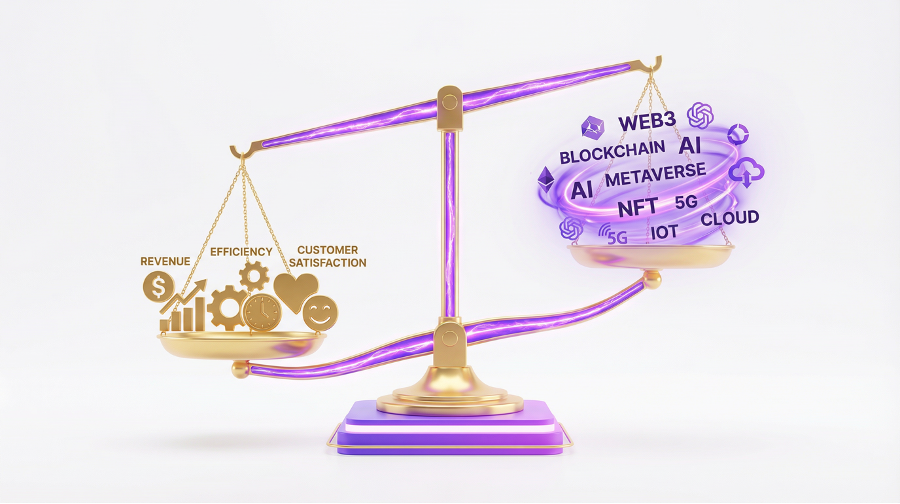
In the race to the cloud, many organizations stumble before they even start. Wave 1: Align Objectives – The Foundation of Cloud Success is crucial in avoiding the “Implement to Fail” trap. They fall into this trap, mesmerized by the promise of new technology without a clear understanding of the business value they aim to achieve. According to Gartner, migrations that skip the crucial pre-work of strategy and planning are far more likely to fail, resulting in budget overruns, security vulnerabilities, and a solution that doesn’t meet business needs [1].

Wave 1: Align Objectives is the antidote to this common pitfall. It’s a disciplined, five-step process designed to build a rock-solid business case and a unified vision for your cloud journey. This foundational wave ensures that every subsequent action is tied to a measurable business outcome.

Step 1: Assess Business Drivers & Create the Business Case

Before a single server is provisioned, you must answer the fundamental question: “Why are we doing this?” Is it to increase agility, reduce operational costs, accelerate innovation, or enhance security? The answer is rarely just one of these. This step involves engaging with stakeholders across the business—from finance to marketing to operations—to build a comprehensive Business Case Document.

This isn’t about technology for technology’s sake. It’s about translating technical capabilities into tangible business value. A strong business case becomes your North Star, guiding decisions throughout the migration.

Step 2: Define the Cloud Vision & Strategy

With a clear “why,” you can now define the “what.” The Cloud Strategy Document outlines the high-level vision for your cloud adoption. Will you be cloud-first? Multi-cloud? Hybrid? This document sets the guiding principles for your entire program. It defines the desired end-state and articulates how the cloud will function as an enabler of your broader business strategy.

Step 3: Establish Success Metrics (KPIs)

How will you know if you’ve succeeded? A vision without metrics is just a dream. This step is about defining the Key Performance Indicators (KPIs) that will measure the success of your migration against the business drivers identified in Step 1. A robust KPI Framework should include metrics across several domains:

  • Financial: Cloud spend vs. budget, Total Cost of Ownership (TCO) reduction.
  • Operational: Uptime/availability, deployment frequency, performance improvements.
  • Business: Time-to-market for new features, customer satisfaction scores.

Step 4: Analyze the Application Portfolio

Not all applications are created equal, and not all of them belong in the cloud. This step involves a thorough analysis of your existing applications to determine their suitability for migration. The result is a detailed Application Inventory that categorizes applications based on their business value, technical complexity, and interdependencies. This inventory is the primary input for the 5Rs analysis (Rehost, Revise, Rearchitect, Rebuild, Replace) that occurs in Wave 3.

Step 5: Craft Decision Principles

Finally, to ensure consistency and speed in decision-making, Wave 1 concludes with the creation of a Decision Matrix. This framework provides a clear, agreed-upon set of principles for making key choices throughout the migration. It answers questions like:

  • How will we select a primary cloud vendor?
  • What are our security and compliance non-negotiables?
  • How do we prioritize which applications to migrate first?

By the end of Wave 1, you don’t just have a plan; you have a coalition. You have a shared understanding of the value, a clear vision for the future, and a framework for making sound decisions. This alignment is the single most important factor in de-risking your cloud migration and ensuring it delivers lasting value.

References

[1] Gartner, “IT Roadmap for Cloud Migration,” Gartner, Accessed Jan 08, 2026.

#CloudMigrationStrategy #BusinessCase #CloudROI #CloudAlignment #ApplicationPortfolio #CloudKPIs #DigitalTransformation #CloudCostReduction #CloudGovernance #EnterpriseCloud #CloudPlanning #CloudValueRealization #StrategyFirst #CloudSuccess #BusinessValue