Microsoft Fabric: A Deep Dive into the Future of Cloud Data Platforms

Microsoft Fabric 2nd Jan 2026 Updated: 19th Oct 2026 Sutirtha
Microsoft Fabric: A Deep Dive into the Future of Cloud Data Platforms

Microsoft Fabric – Comprehensive

Discover Microsoft Fabric – Comprehensive insights in our 5-Part Technical Series by insight 42

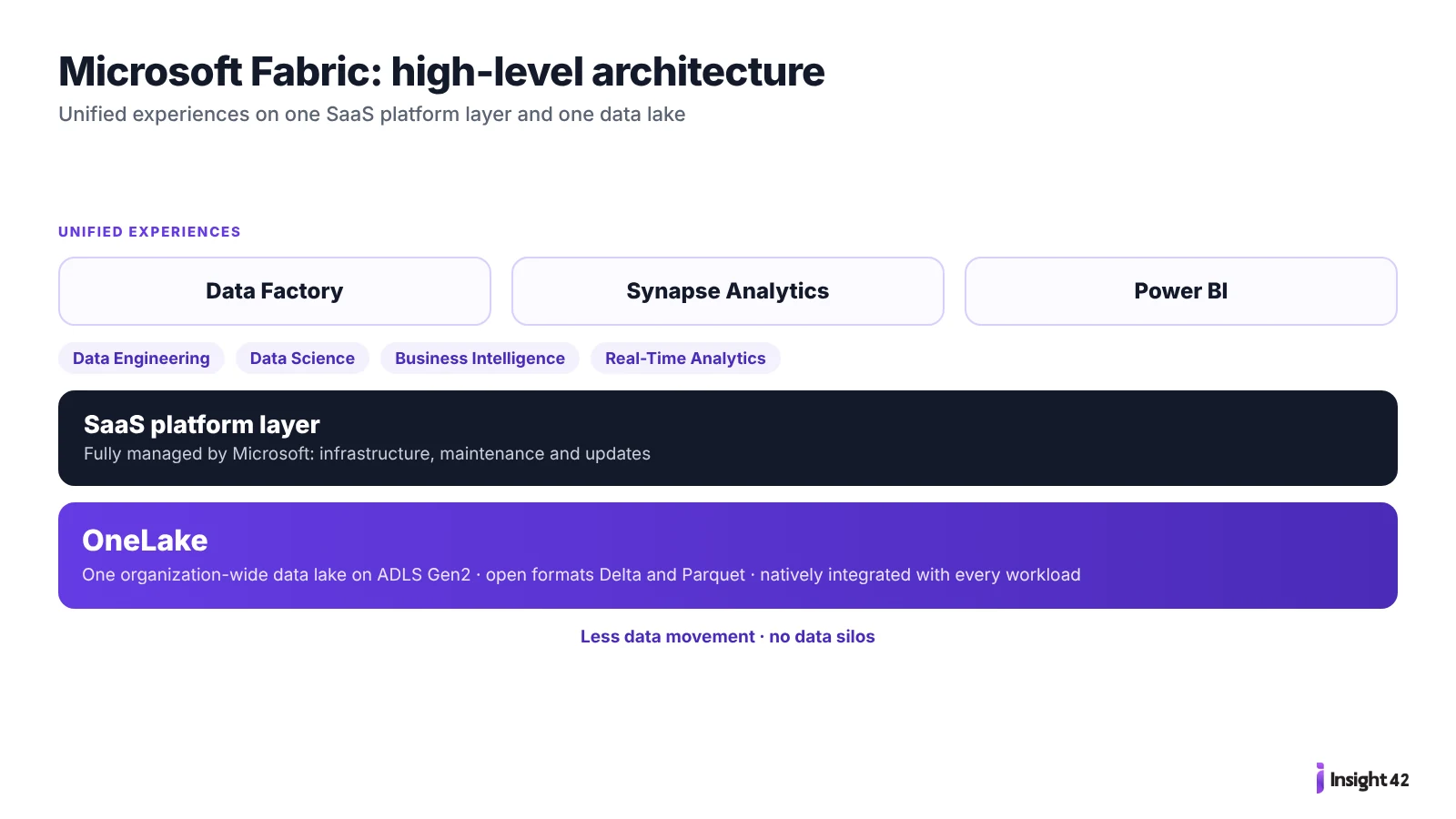
Microsoft Fabric architecture: unified experiences, SaaS platform layer and OneLake

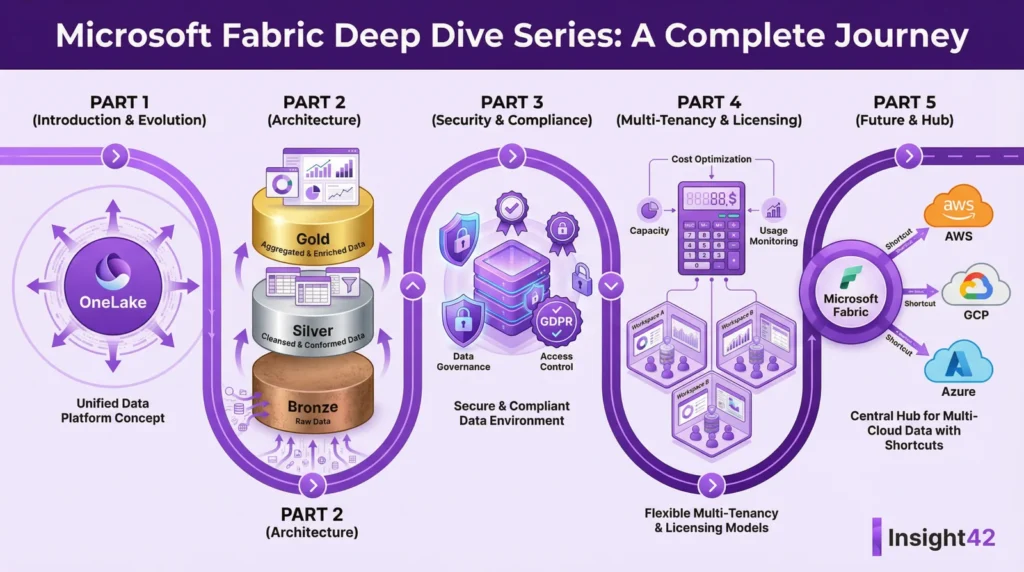
Series Overview

This comprehensive blog series provides an in-depth, critical analysis of Microsoft Fabric—the latest and most ambitious attempt to unify the modern data estate. From its evolutionary roots to its future trajectory, we explore the architecture, promises, shortcomings, and practical realities of adopting Fabric in enterprise environments.

Whether you’re a data architect evaluating Fabric for your organization, an ISV building multi-tenant solutions, or a data professional seeking to understand the future of cloud data platforms, this series provides the insights you need.

Quick Navigation

PartTitleFocus Areas
Part 1Introduction to Fabric and the Evolution of Cloud Data PlatformsHistory, evolution, Fabric overview, core principles
Part 2Data Lakes and DWH Architecture in the Fabric EraMedallion architecture, lakehouse patterns, OneLake
Part 3Security, Compliance, and Network Separation ChallengesSecurity layers, compliance, network isolation, GDPR
Part 4Multi-Tenant Architecture, Licensing, and Practical SolutionsWorkspace patterns, F SKU licensing, cost optimization
Part 5Future Trajectory, Shortcuts to Hyperscalers, and the Hub VisionCross-cloud integration, roadmap, universal hub concept

Key Diagrams

This series includes 10 professionally designed architectural diagrams that illustrate key concepts:

Platform Architecture

Microsoft Fabric architecture: unified experiences, SaaS platform layer and OneLakeMicrosoft Fabric Architecture – Complete platform overview with workloads, Fabric Platform, and cloud sourcesPart 1
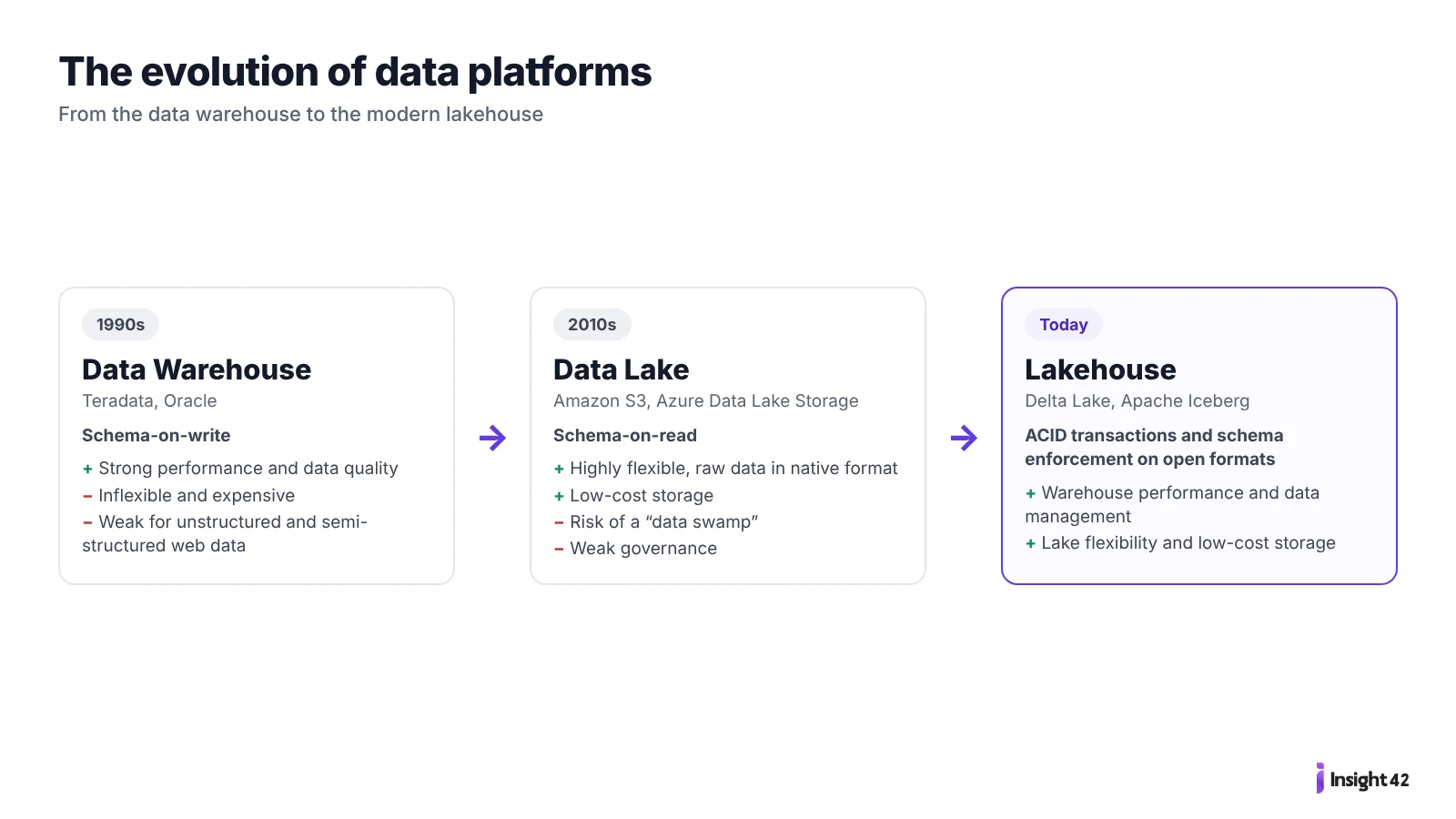
Evolution of data platforms: data warehouse (1990s), data lake (2010s), lakehouse (today)Evolution of Data Platforms – Timeline from 1990s DWH to 2020+ LakehousePart 1

Data Architecture

DiagramDescriptionUsed In
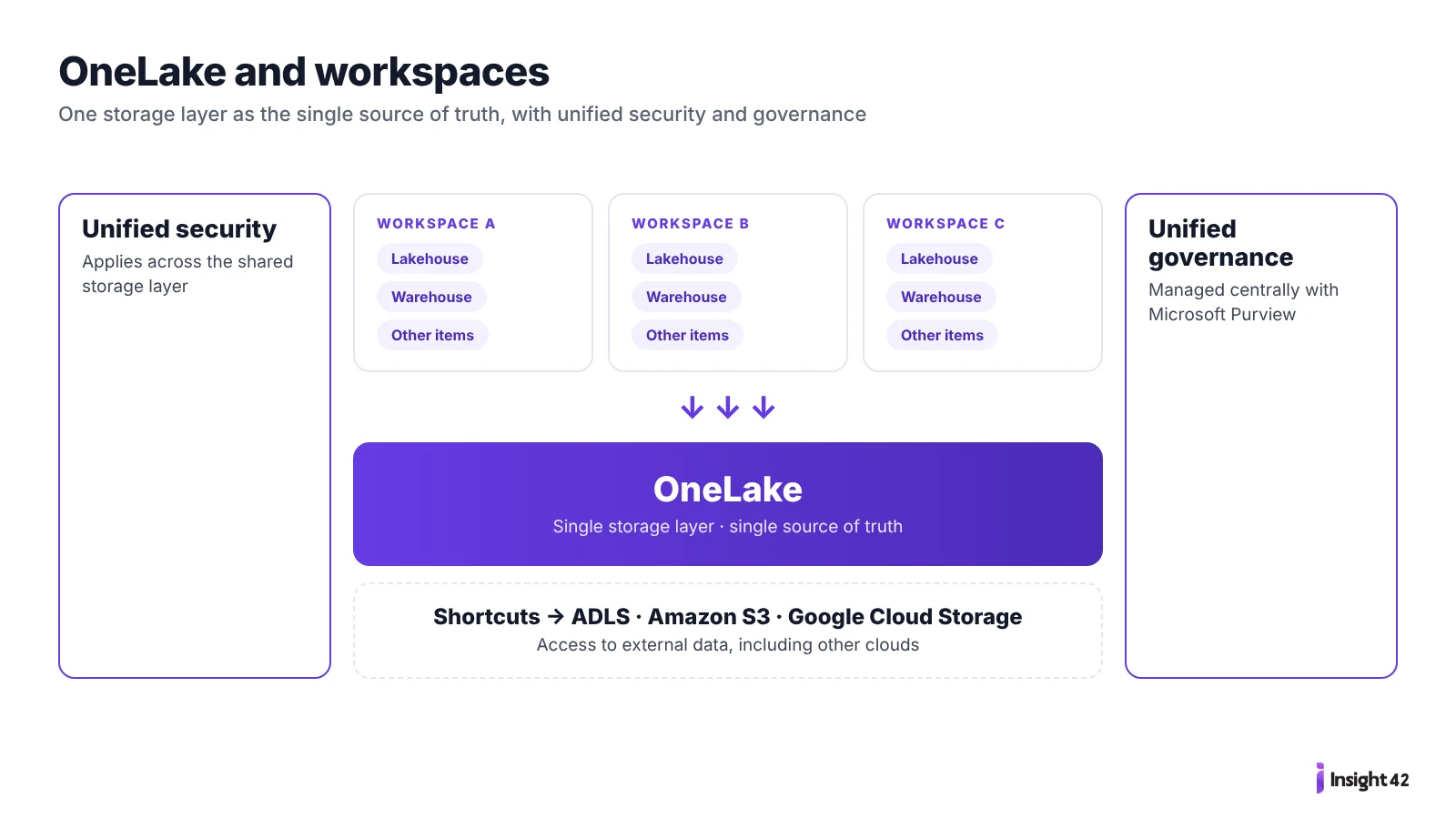
OneLake and workspaces: one storage layer with unified security, Purview governance and shortcutsOneLake & Workspaces – Unified Security & Governance with workspace isolationPart 2
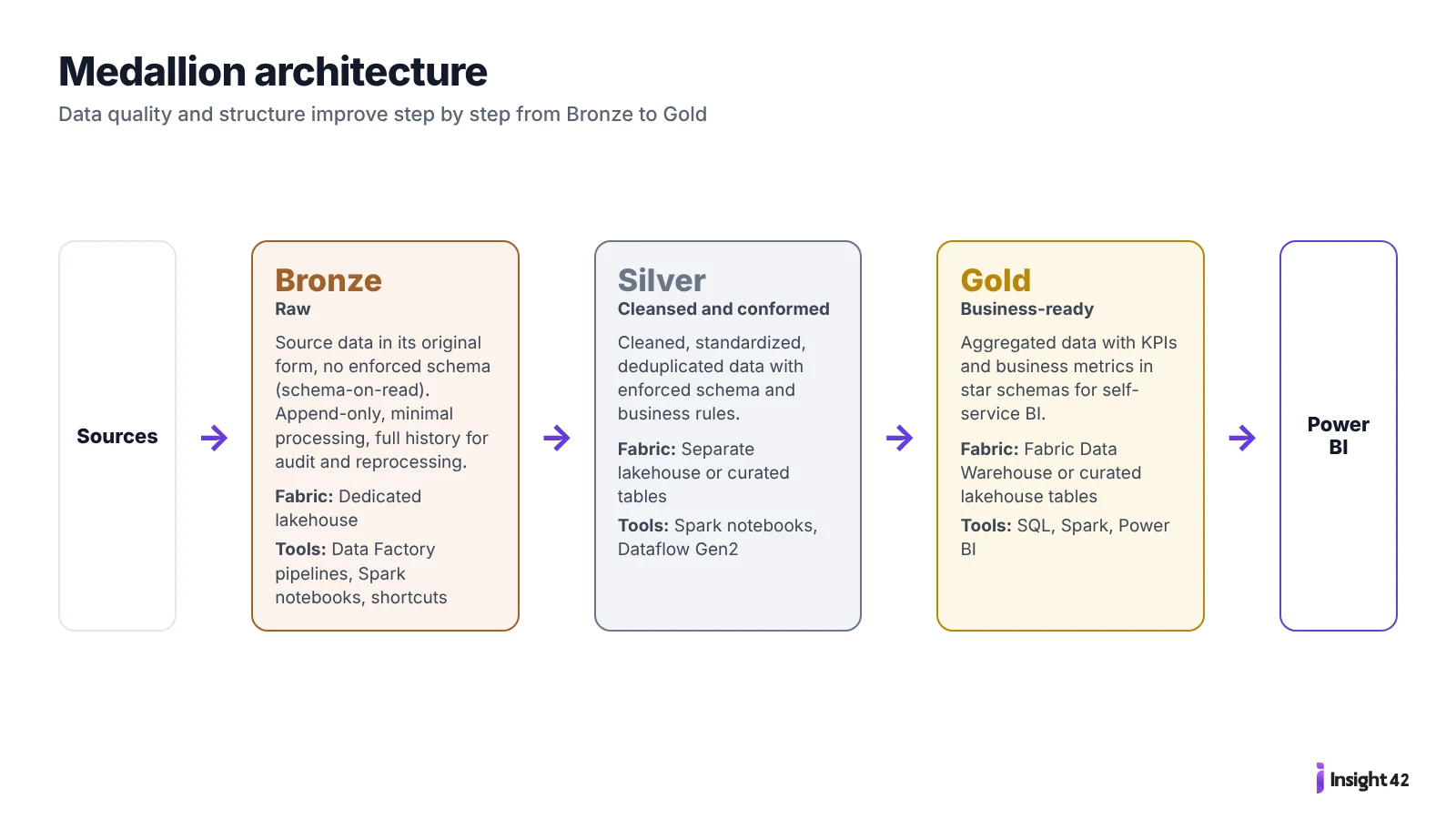
Medallion architecture in Microsoft Fabric: Bronze, Silver and Gold layers with toolsMedallion Architecture – Bronze/Silver/Gold data quality progressionPart 2

Security & Compliance

DiagramDescriptionUsed In
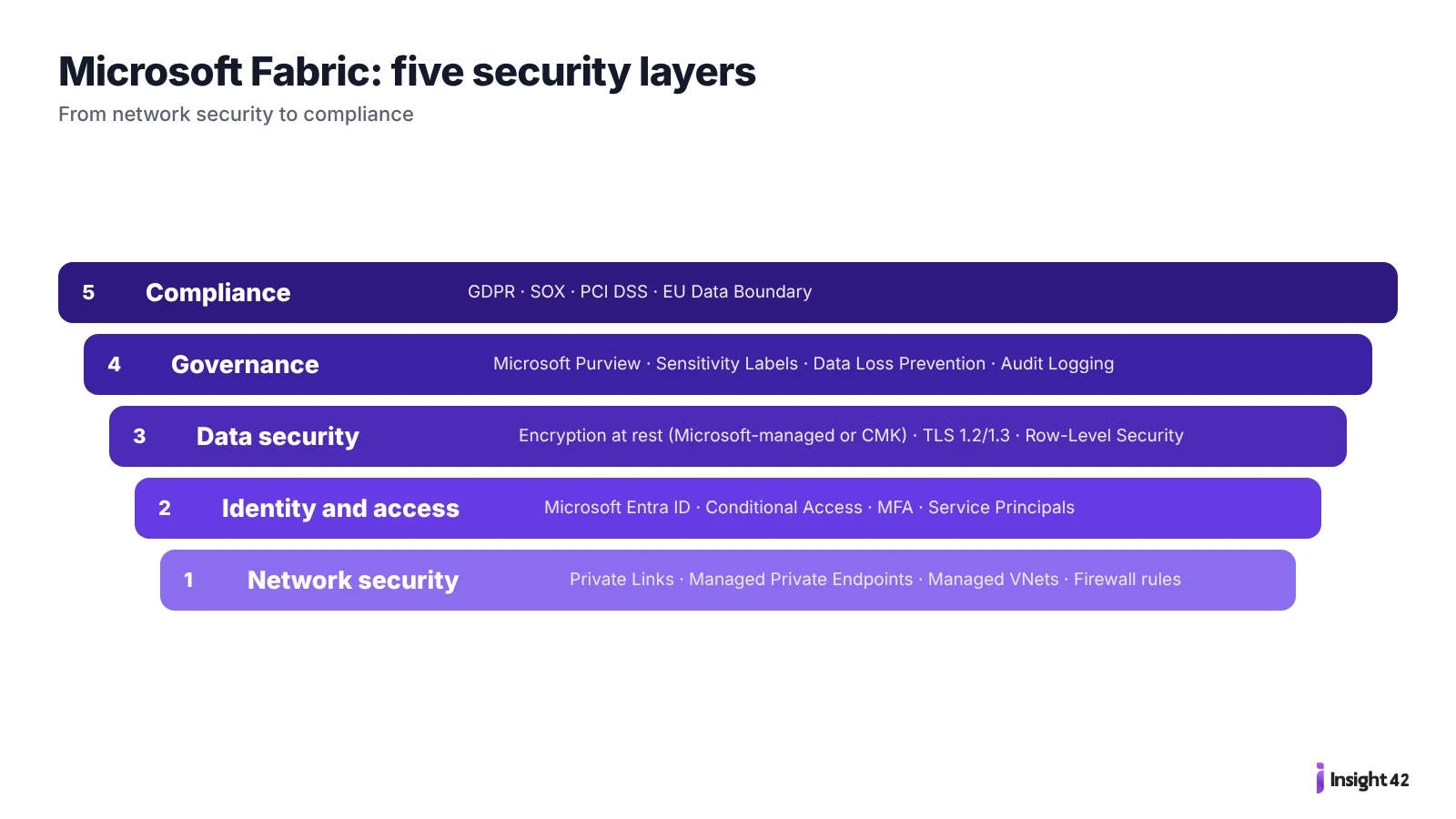
Five security layers of Microsoft Fabric from network security to complianceSecurity Layers Model – 5-layer protection architecturePart 3
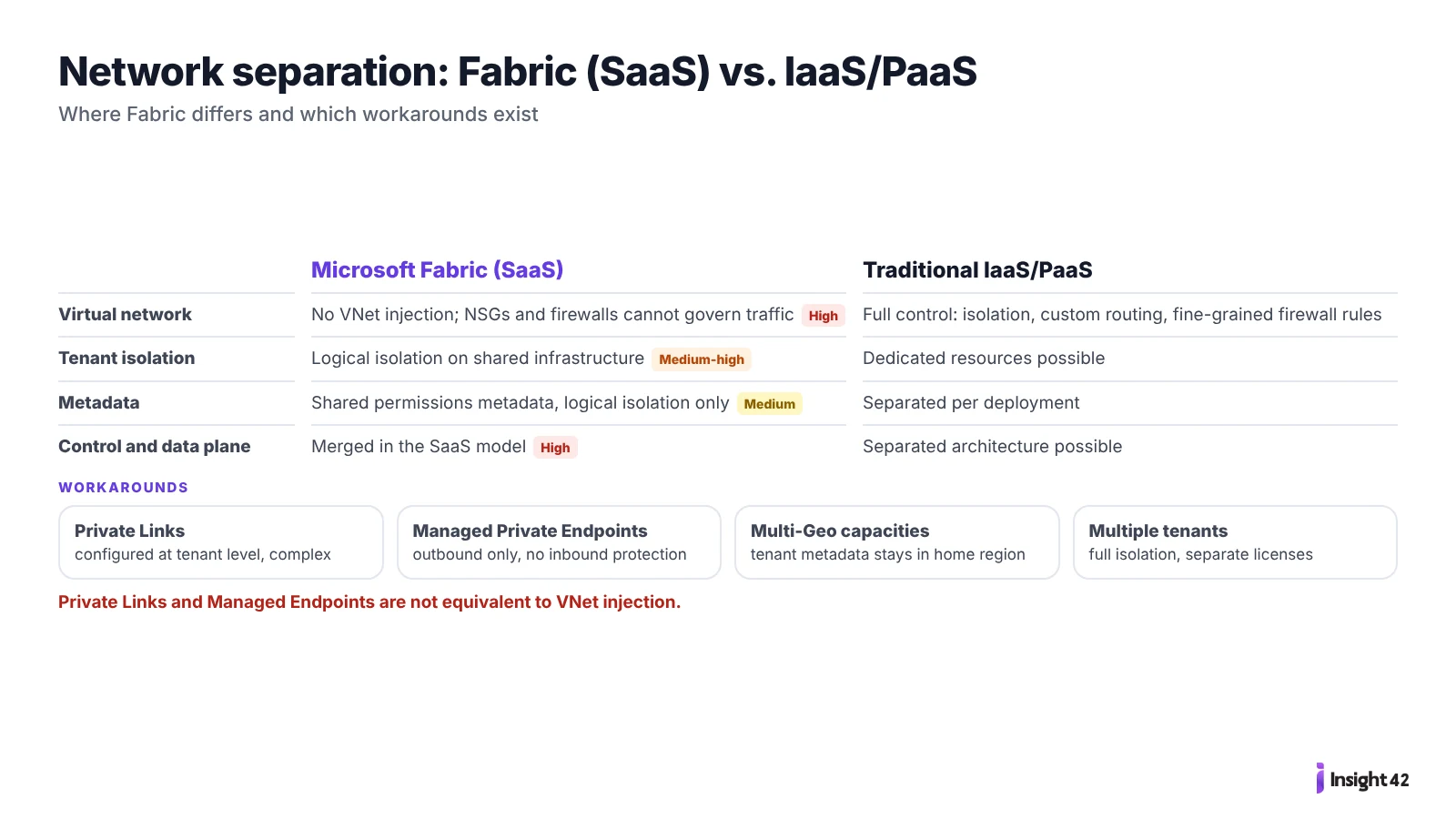
Network separation in Microsoft Fabric compared with IaaS/PaaS, with risks and workaroundsNetwork Separation Challenges – SaaS vs IaaS/PaaS comparisonPart 3

Multi-Tenancy & Licensing

DiagramDescriptionUsed In
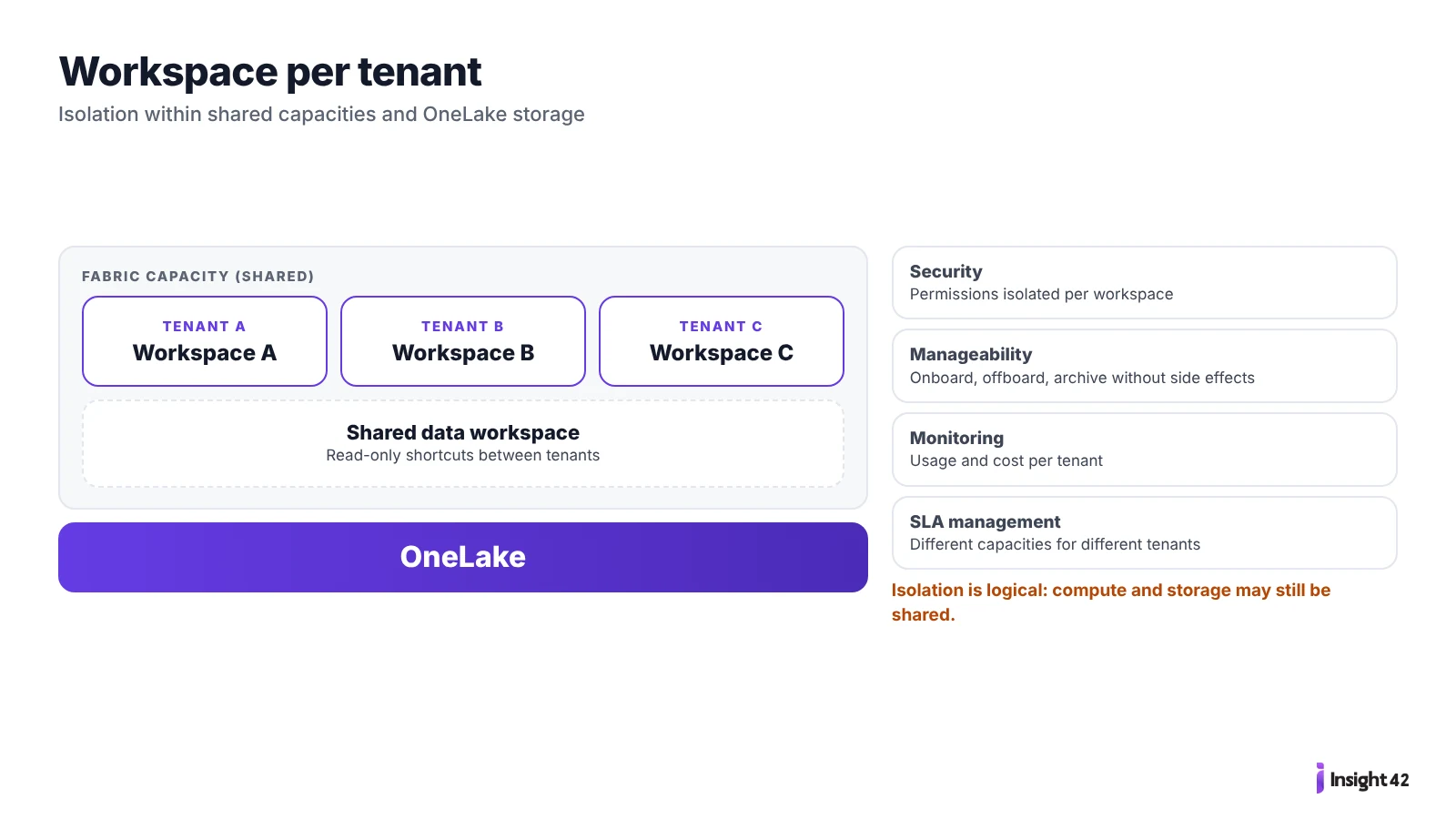
Workspace-per-tenant architecture in Microsoft Fabric on shared capacity and OneLakeMulti-Tenant Architecture – Workspace-per-tenant isolation patternPart 4
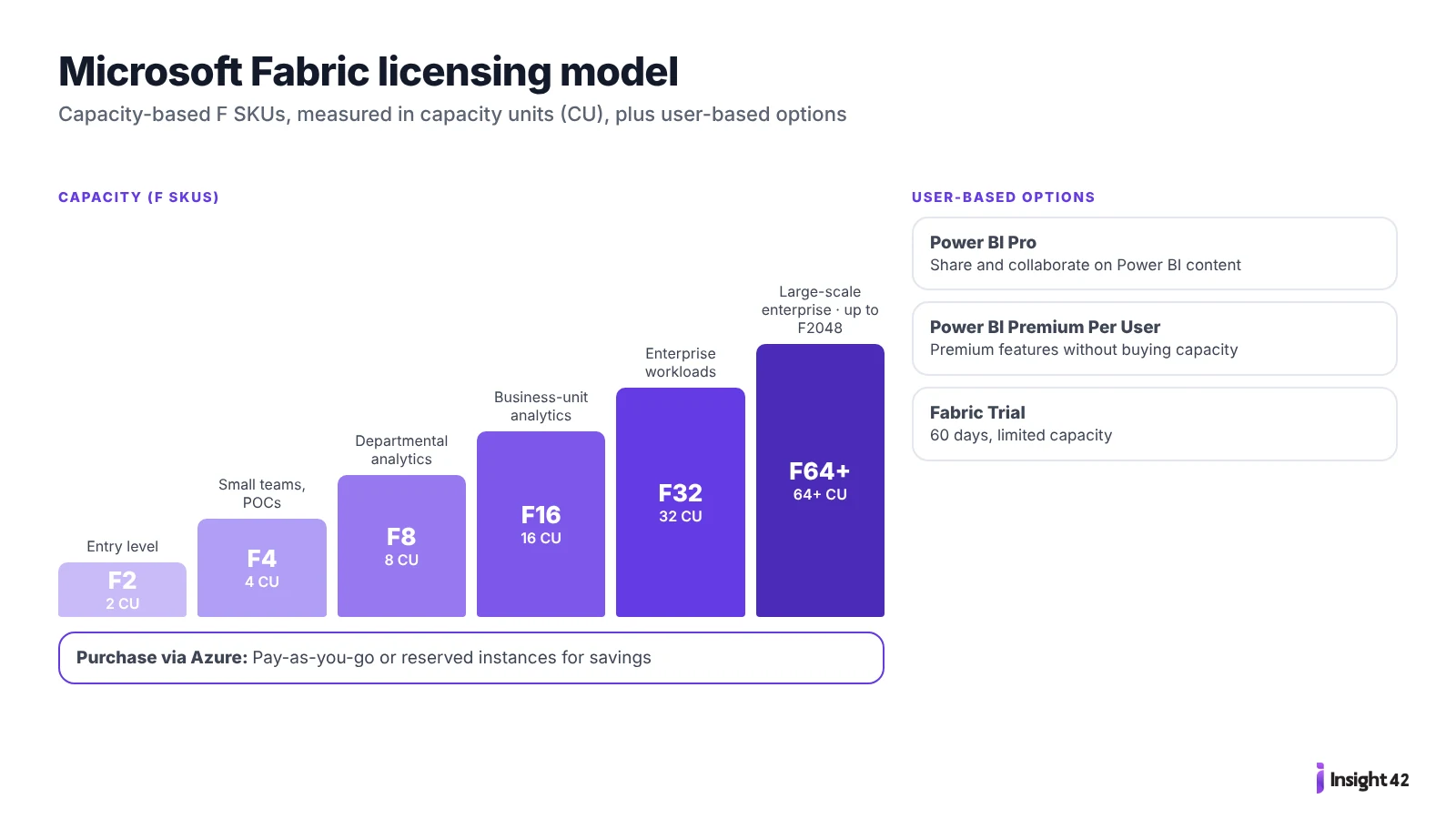
Microsoft Fabric licensing: F SKUs from F2 to F64+ in capacity units plus Power BI Pro, PPU and trialLicensing Model – F SKUs, user-based options, Azure integrationPart 4

Future Vision

DiagramDescriptionUsed In
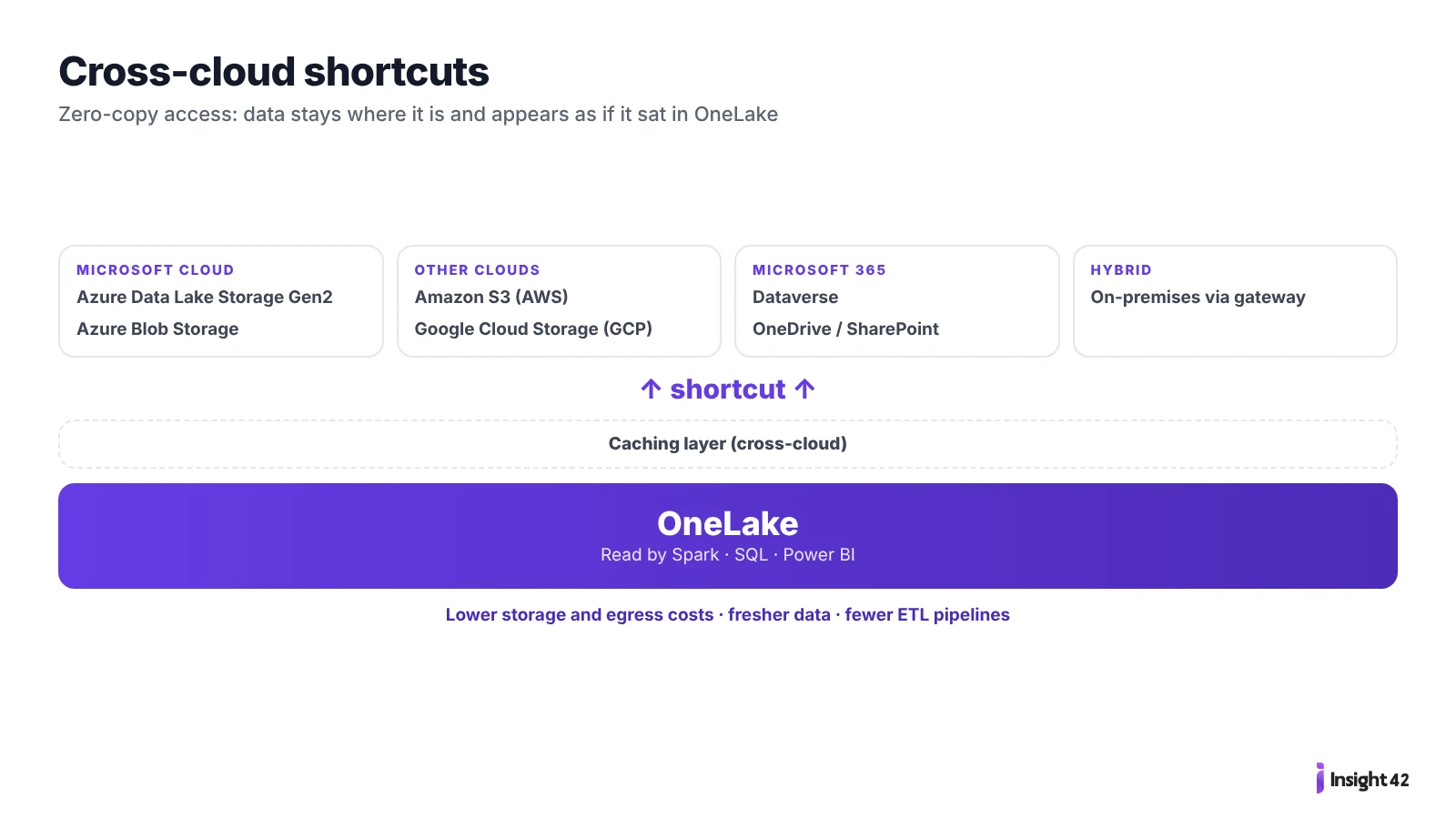
Cross-cloud shortcuts in Microsoft Fabric: zero-copy access from OneLake to Azure, AWS, GCP, Microsoft 365 and on-premises dataCross-Cloud Shortcuts – Zero-copy multi-cloud data accessPart 5
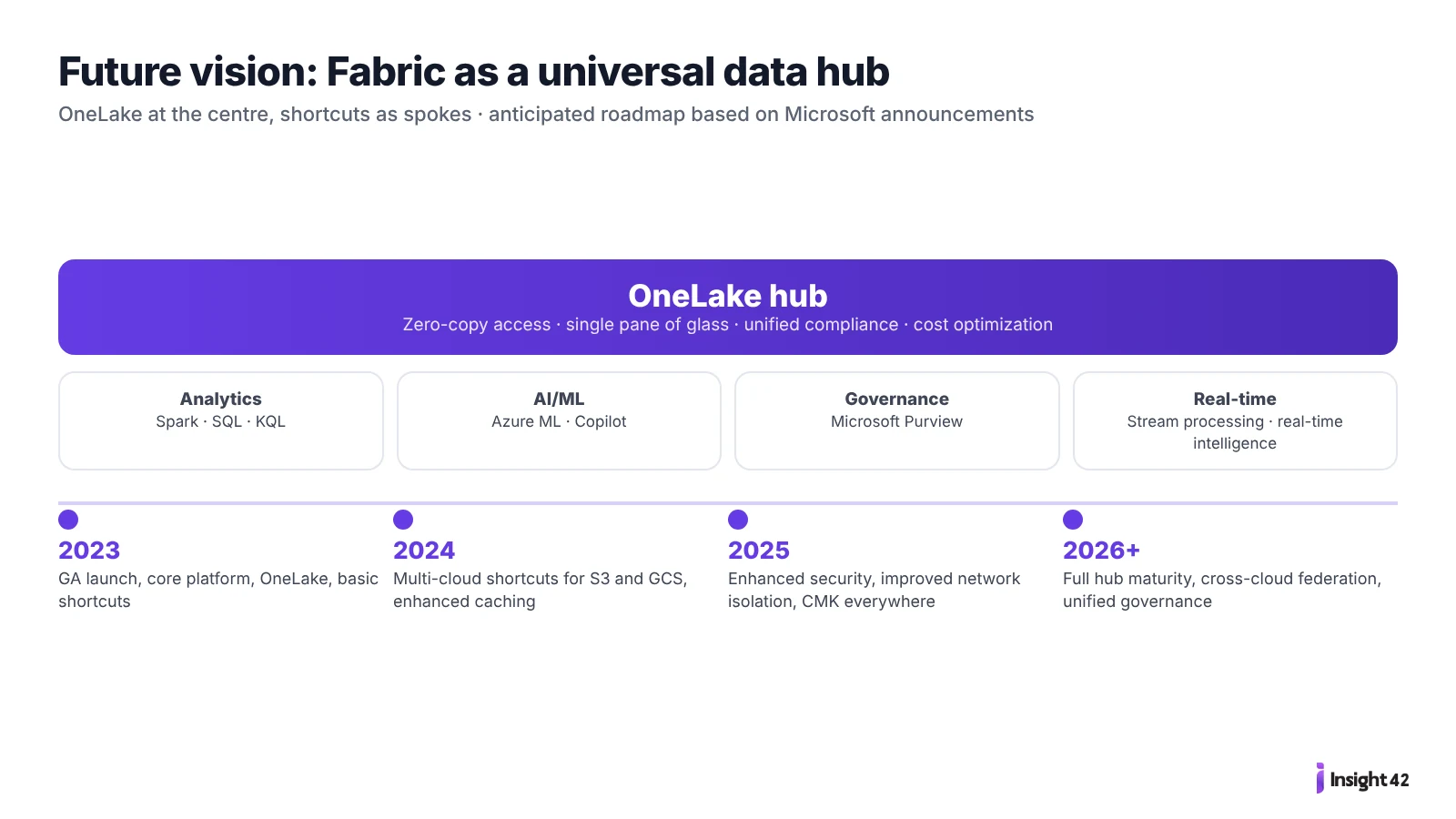
Future vision of Microsoft Fabric as a universal data hub with roadmap 2023 to 2026+Universal Data Hub Vision – Future roadmap and hub conceptPart 5

Key Takeaways

What Fabric Gets Right

  • Unified Experience: Single platform for all data and analytics workloads
  • OneLake: Central data lake eliminating silos and reducing data movement
  • Open Formats: Delta and Parquet ensure no vendor lock-in
  • Cross-Cloud Shortcuts: Revolutionary zero-copy multi-cloud integration

What Needs Improvement

  • Network Isolation: SaaS model limits enterprise-grade network control
  • Multi-Tenancy: Licensing and cost management complexity
  • Compliance: Proving isolation in shared infrastructure environments
  • Maturity: Some features still evolving and not production-ready

Who Should Consider Fabric

  • Organizations already invested in the Microsoft ecosystem
  • Teams seeking to simplify their data platform architecture
  • ISVs building multi-tenant analytics solutions
  • Enterprises ready to embrace a SaaS-first approach

Whether Fabric fits your organization is what the assessment in our Microsoft Fabric consulting clarifies.

Who Should Wait

  • Organizations with strict network isolation requirements
  • Highly regulated industries requiring physical data separation
  • Teams not ready for the SaaS trade-offs
  • Organizations requiring mature, battle-tested features
#MicrosoftFabric #UnifiedDataPlatform #CloudDataPlatforms #DataLakehouse #FabricDeepDive #DataArchitecture #OneLake #DataPlatform #DataEngineering #BusinessIntelligence #SaaSData #DataSilos #FabricImplementation #CloudDataStrategy #DataAnalytics